Introduction: The Blueprints of a Green Sleep Space
The idea of a sustainable bedroom is not merely a trend but a philosophy that treats rest as a form of daily stewardship. Cleanliness and calm are not at odds with the planet; they are complementary goals. A bedroom that is free from toxins, clutter, and waste is a bedroom that nourishes both sleep and conscience. When we choose products with transparent sourcing, craft, and longevity, we invite a kind of quiet reverence into our nightly rituals—one that respects materials, ecosystems, and human labor alike.
In this exploration, we lean on three pillars: eco-friendly products that perform with integrity, a sustainable decluttering plan that honors durability instead of disposability, and natural, low-toxicity practices that sustain a healthier sleep environment. Ahead, you’ll find a practical guide anchored by the voices of three key figures from different eras, whose approaches to space, objects, and care illuminate how we might live more gently with the world around us.
Eco-Friendly Products: Choosing with Care
At the heart of a sustainable sleep space are the items we interact with every night. From foundations and frameworks to the soft layers that cradle us, each choice carries a footprint. Eco-friendly products are not just about avoiding harm; they are about maximizing health, comfort, and longevity. One universal reminder: read labels with a trained eye. Look for certifications like GOTS for organic textiles, OEKO-TEX for textiles free of harmful substances, and Responsible Down Standard (RDS) for ethically sourced down. These markers help ensure that what you buy aligns with your values and your sleep.
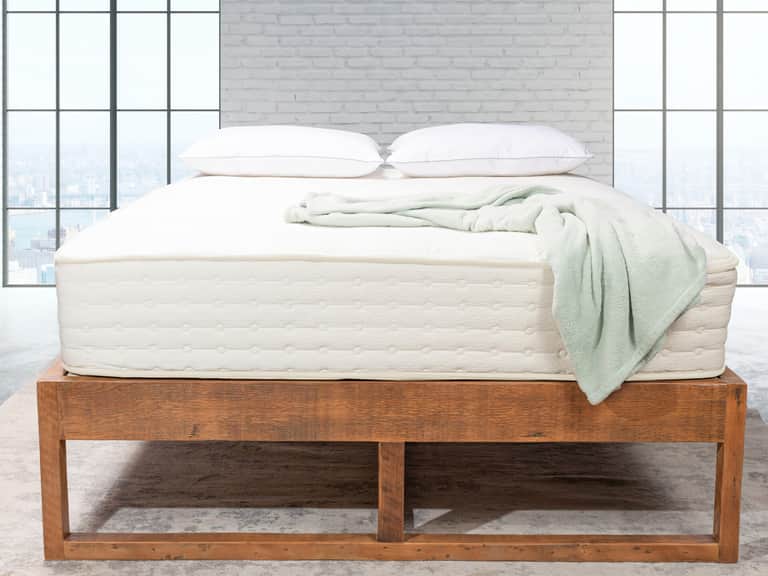
Consider a centerpiece that blends form, function, and sustainability. The Taconic bed from The Clean Bedroom demonstrates how a simple, solid-wood frame—crafted from reclaimed materials with a non-toxic finish—can offer foundational support while embodying ecological responsibility. It’s a reminder that the bed itself can be a statement of ethics, not just aesthetics. When paired with organic or natural fiber linens, it anchors a sleep space that feels both luxurious and conscientious.
For readers who prefer iteration and longevity over fast fashion, think multi-function and modular. A bed base designed to adapt to different frames, or a modular storage system that minimizes waste by extending the life of bedding and textiles, aligns with a circular approach: buy once, care for it, and pass it along when necessary. In practice, this means resisting the lure of a new trend every season, and instead prioritizing quality materials, repairability, and timeless design.
Decluttering with a Green Mindset: A Simple Plan
Decluttering is not about erasing memories or stripping away comfort; it is a discipline that reduces waste, makes maintenance easier, and improves air quality by limiting surfaces that accumulate dust and allergens. A sustainable decluttering plan begins with a clear inventory of what truly serves you in the space. Start with bedding: how many sets do you actually use on a regular basis? If you own more sets than you can care for, consider a 1-to-1 replacement approach—retire older, worn fabrics and invest in durable replacements with eco-certifications. This keeps items out of landfills and helps you maintain a clean, simplified environment.
Storage is your ally in sustainability. Choose storage solutions made from reclaimed or responsibly sourced materials, and organize by use rather than by random assignment. A tidy space reduces the mental load, supports better sleep, and lowers energy and water usage by cutting down on laundering frequency. For example, a robust, well-constructed Taconic Bed with solid slats promotes better airflow and longevity for your mattress, which reduces the need for frequent replacements and repairs.
A practical decluttering timeline could look like this: one weekend for a quick purge of non-essential items, followed by a quarterly review to retire or repurpose items that no longer serve you. This cadence maintains a steady state of cleanliness without triggering the cycle of overconsumption. As in all sustainable endeavors, the aim is not perfection but ongoing improvement—small, repeatable steps that compound into meaningful differences over time.
Building a Healthier Sleep Space with Natural Materials
Beyond the covers, the air you breathe in the night and the surfaces you touch matter. Natural materials—organic cotton, linen, wool, and responsibly sourced wood—tend to emit fewer volatile organic compounds (VOCs) than synthetic counterparts. The pursuit of a low-toxicity sleep space extends to finishes, paints, and flooring. Simple changes—opting for water-based finishes, avoiding solvent-heavy cleaners, and prioritizing materials with low or zero emissions—help safeguard your sleep environment from the inside out.
In our featured product example, The Clean Bedroom Taconic Bed exemplifies the ethical luxury of a bed frame built from reclaimed wood with a non-toxic finish. Its design speaks to the virtue of restraint: clean lines, solid construction, and an unpretentious presence that allows the linens and the sleeper to be the focus—not the furniture’s ostentation. This is the elegance of a sustainable room: quiet, enduring, and deeply comfortable.
Moreover, your choice of textiles matters as much as the frames they rest upon. Look for bedding that harnesses the softness of natural fibers and avoids chemical dyes when possible. A deep dive into the Sleep and Beyond line demonstrates how organic cotton and wool-based products can offer warmth and comfort without compromising health or the planet. In this context, even routine habits—like the frequency of washing—should align with sustainability: air out, spot-clean, and machine wash only when necessary, following manufacturer guidelines to extend fabric life.
Across the centuries, certain thinkers have given us ways to see the intimate space of a bedroom as a site of moral and practical reflection. The following three figures, each from a distinct era, offer contrasting but complementary viewpoints that illuminate our current sustainable sleep project.
-
Hypatia of Alexandria (c. 355–415 CE) — A philosopher and mathematician who valued clarity, structure, and the utility of knowledge. Hypatia’s method—careful observation, reasoned thinking, and an insistence on precise measurement—becomes a metaphor for our approach to the bedroom: examine the labels, measure the effects of products, and create a layout that is both beautiful and efficient. In the modern context, Her insistence on clarity mirrors our call for transparent sourcing and durable design.
-
William Morris (1834–1896) — A craftsman who believed that beauty and utility should be indivisible. Morris championed crafted objects that endure, with an ethic of stewardship toward resources. In the bedroom, this translates to investing in pieces that are not disposable but repairable and timeless in design. The Taconic bed, with its reclaimed wood and sustainable finish, echoes Morris’s creed: beauty that respects the earth’s limits and invites a longer life for every object.
-
W. E. B. Du Bois (1868–1963) — A thinker who insisted that social and material environments shape the human experience. Du Bois would remind us that the spaces we inhabit—our rooms, our beds, our closets—are political as well as personal. In the sustainable sleep project, his perspective invites us to consider labor, equity, and environmental justice in our product choices, from where materials come to who benefits from these choices. A mindful bedroom becomes a small but meaningful contribution to a fairer world.
Together, these figures illuminate a staircase of thought: a demand for clarity and precision, a devotion to durable beauty, and a grounding in social responsibility. When we examine our own bedrooms through these lenses, the room becomes more than a private retreat; it becomes a forum for ethics, craftsmanship, and enduring quality.
A Featured Product: The Clean Bedroom Taconic Bed
The Taconic Bed embodies a restrained, elegant approach to furniture with a commitment to sustainability. Crafted in the USA from 100% reclaimed wood and finished with a non-toxic, water-based seal, the bed stands as a quiet anchor in the bedroom. The slats are solid wood and spaced to optimize airflow—an understated but practical feature for mattress longevity and sleep comfort.
Choose among finishes that celebrate the wood’s natural character: Rustic Raw, Smooth Natural, or Double Espresso. Each option preserves the wood’s patina while maintaining a clean, modern silhouette that accommodates a wide range of decor styles. The Taconic Bed is more than a place to rest; it is a statement of environmental ethics, a declaration that sleep need not come at the expense of the planet.
Product image placeholders are not shown here, as per the article’s design approach.
Price: $1845.00
Materials: 100% reclaimed wood, water-based finish, solid wood slats.
Availability: Made in the USA
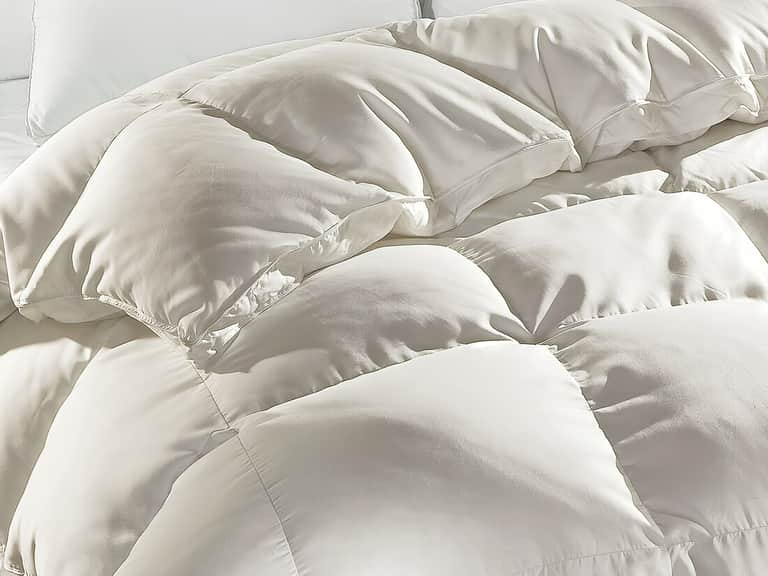
Integrating this bed with a sustainable bedding system—such as organic cotton sheets, wool blankets, and down-free or responsibly sourced down options—creates a holistic sleep ecosystem. If you pair the Taconic Bed with a Manhattan Goose Down Comforter or a Sleep and Beyond MyComforter Light, you begin to notice how the textures and temperatures interact to influence sleep comfort, while staying faithful to eco-conscious principles.