Building a Eco-Friendly Bedroom: Practical Steps for a Greener, Cleaner Space

A quiet revolution begins at the threshold of the bedroom. It is not merely about tidying up; it is about reimagining a personal domain as a sanctuary crafted with intention, sustainability, and graceful restraint. This essay distills a path from the brief, practical recommendations of sustainable living into a lived environment: a bedroom that breathes, calms, and respects the planet.


Introductory ideas revisited

In pursuit of an eco-friendly bedroom, we begin with a simple triad: low-tox, decluttered, designed for longevity. Low-tox means swapping harsh, volatile products for plant-based, biodegradable cleaners, and selecting bedding that carries the weight of responsibility—organic or recycled materials that reduce chemical exposure and environmental impact. Decluttering with a sustainable mindset invites a donation-first ethic, repurposing usable items, and choosing simple, reusable storage solutions to minimize waste. Design for longevity asks for durable, repairable furniture and energy-efficient lighting, paired with natural textiles and finishes that promote a healthy, restful space.

The goal is a space that is not only aesthetically pleasing but also ecologically aligned. A sustainable bedroom should feel timeless, not trendy; functional, not faddish. It should invite you to live in harmony with the materials that surround you—wood that comes from responsibly managed forests, textiles that are breathable and non-toxic, and lighting that supports circadian rhythms without draining resources.

Three key voices from different eras

To frame the conversation, we hear from three figures whose ideas, in their own time, reshaped how we think about space, cleanliness, and comfort. Their perspectives illuminate a through-line from craft and care to a modern ethos of sustainability.

1580s: Sir Francis Bacon on Method and Order

Bacon, a proponent of empirical approach, would remind us to test our household rituals with careful observation. In the realm of cleanliness, he would urge documenting what works—tallying the effectiveness of plant-based cleaners, noting how different fabrics absorb or shed dyes, and validating the longevity of sustainable furnishings.

1920s: Jane Jacobs on Neighborhood and Home Fabric

Jacobs celebrated the lived experience of spaces. Applied to the bedroom, her sensibility translates to designing for human scale and community-minded choices—choosing locally sourced, repairable furniture, durable textiles that wear gracefully, and a layout that invites restful routines rather than chaotic clutter.

Present Day: Jane Goodall on Interconnectedness

Goodall’s ethic of stewardship resonates in every material we select and every product we support. In a sustainable bedroom, the web of life informs choices—from non-toxic finishes to low-impact bedding, from energy-conscious lighting to packaging that reduces waste. The room becomes a microcosm of care for the wider world.

Practical steps to a greener, cleaner space

1) Low-tox quest: cleaner products and organic materials

Begin with a materials audit. Review cleaners, detergents, and room sprays for volatile organic compounds (VOCs) and synthetic fragrances. Replace with plant-based, biodegradable cleaners that are explicitly labeled for low-toxicity. When choosing bedding, prioritize GOTS-certified organic cotton or other certifiable regenerative textiles. The aim is to minimize chemical exposure in the space where you sleep, breathe, and rejuvenate.

2) Declutter with purpose: donation-first and reusable storage

Shift from a throw-away mindset to a circular approach. Channel items you no longer need to donation streams, repurpose what remains, and design storage that lasts. Consider modular drawers, woven baskets, and sustainable wardrobe systems that adapt to your life rather than forcing you to adapt to them.

3) Design for longevity: durable, repairable furniture

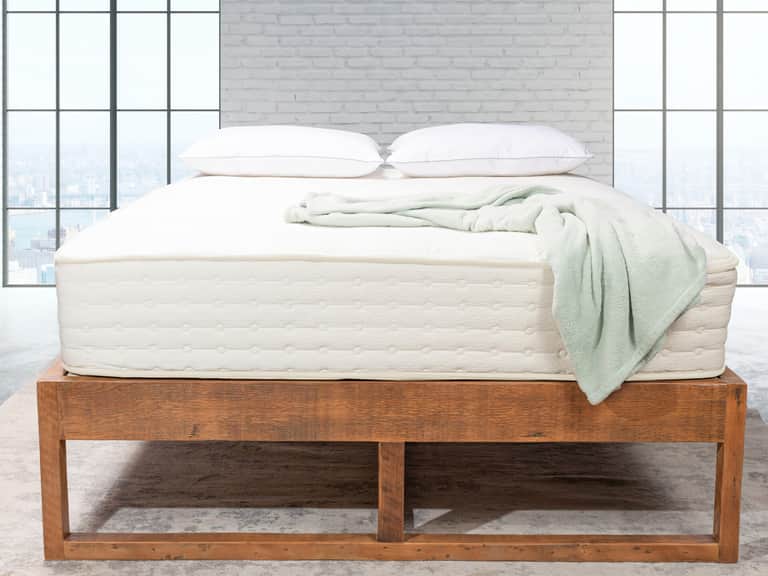
Invest in furniture built to withstand the test of time. Look for solid wood frames, non-toxic finishes, and simple joints that can be repaired rather than discarded. The bed frame matters as much as the mattress: a well-crafted Taconic Bed from The Clean Bedroom, made from reclaimed wood with a non-toxic finish, embodies the philosophy that comfort and sustainability can coexist in elegant restraint.

4) Lighting that respects circadian rhythm and resource use

Use layered lighting to control mood, with dimmable LEDs and warm temperatures in the evening. Smart bulbs or timers can reduce energy waste, while ensuring your room remains a sanctuary for rest and reflection.

5) Natural textiles and finishes

Opt for textiles that breathe: organic cotton, linen, wool, and TENCEL Lyocell are not only comfortable but often produced with a smaller ecological footprint. Finishes on furniture should be water-based and non-toxic. Natural dyes or low-impact dyes can further reduce environmental impact while preserving color integrity over time.

6) Textural simplicity: a mood, not a clutter

Let texture tell the story. A restrained palette with depth—woven textiles, soft wool, smooth cotton, and the tactile warmth of reclaimed wood—creates a calm, restorative aesthetic without overwhelming the senses.

Visible choices: a spotlight on sustainable products

The Clean Bedroom Taconic Bed

A centerpiece that embodies sustainable craft: handcrafted in the USA from 100% reclaimed wood, with a non-toxic water-based finish and well-spaced slats for airflow. It is minimal in its design, but profound in its ecological footprint, a reminder that comfort can be anchored in responsibility.

The Clean Bedroom Taconic Bed

The Clean Bedroom Level 3 Adjustable Bed Base

A luxurious, versatile platform that tailors sleep to you. Independent head and foot lifts, a head tilt, dual massage, and underbed LED lighting converge in a system designed for calm evenings and restorative nights. This is a modern nod to comfort without compromising on eco-conscious design.

The Clean Bedroom Level 3 Adjustable Bed Base

Bedding choices that align with sustainability

Manhattan Goose Down Comforter and Madison Goose Down Comforter

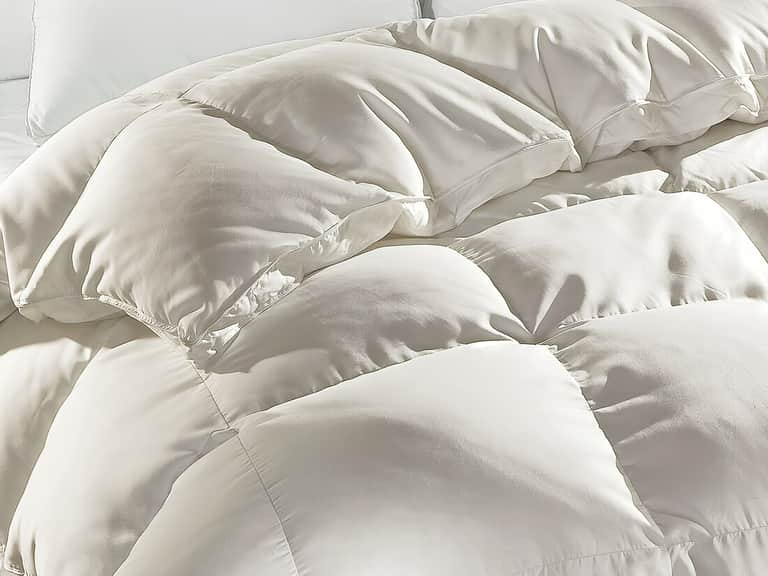
Down-filled comforters with Large Cluster Hungarian goose down, licensed for responsible sourcing. The Manhattan offers 850 fill power with a breathable TENCEL Lyocell shell, while the Madison balances loft with a cotton cover. These pieces exemplify how luxury and sustainability can converge in warmth and comfort.

The Clean Bedroom Manhattan Goose Down Comforter

Sleep and Beyond Organic Cotton Zippered Mattress Encasement

A practical safeguard that marries protection with sustainability: 100% GOTS-certified organic cotton, a non-toxic corn-starch TPU layer, three-sided zipping, and a 10-year warranty. It blocks bed bugs and dust mites while remaining quiet and breathable—a small but meaningful piece in a healthier sleep ecosystem.

Sleep and Beyond Organic Cotton Zippered Mattress Encasement

Organization tips with a sustainable mindset

Wardrobe as a system

A sustainable wardrobe thrives on capsule planning and mindful curation. Choose versatile pieces, store with recycled materials, and opt for natural fibers that endure. The goal is a wardrobe that supports daily life while producing minimal waste when replenishment occurs.

Repair over replace

Seek fabrics, finishes, and furniture designed to be repaired rather than discarded. This mindset reduces waste, sustains craftsmanship, and keeps your room consistently aligned with ecological values.

Ongoing maintenance without excess

Establish a routine that minimizes cleaning demand while preserving air quality. Vacuum regularly with a high-efficiency filter, air out textiles seasonally, and wash only when necessary with eco-friendly detergents that are gentle on both fabrics and the environment.

Community and sharing

Create a space for community stories—how families decluttered without guilt, how friends swapped gently used bedding, how neighbors compost in the balcony. A bedroom becomes a micro-community of sustainable practice when experiences are shared.

Conclusion: a greener breath, a calmer night

The eco-friendly bedroom is not a destination but a practice: a continuous, evolving ritual of choices that honor both comfort and the planet. It is about choosing products with conscience, organizing with care, and designing for longevity so that each night you lie down in a space that feels both luxurious and responsible. In this quiet act of daily life, we participate in a broader conversation about how to inhabit the world with gentleness and resolve.

Related Products

The Clean Bedroom Taconic Bed

The Clean Bedroom · No. wls-uw-1

The Clean Bedroom Taconic Bed

Transform your sleep with the Taconic bed, designed to perfectly support your organic mattress. Handcrafted from reclaimed wood, it adds a touch of rustic charm to any room while ensuring lasting comfort and airflow for a healthier sleep environment.
The Clean Bedroom (Level 3) Adjustable Bed Base

The Clean Bedroom · No. CUSH

The Clean Bedroom (Level 3) Adjustable Bed Base

Transform your sleep with our adjustable bed frame, offering personalized comfort at your fingertips. Enjoy soothing massages, soft LED lighting, and easy device charging—all while finding your perfect position for reading or relaxation. Sleep better, live better!
The Clean Bedroom Manhattan Goose Down Comforter

The Clean Bedroom · No. TCB-COMFORTER-MANHATTAN

The Clean Bedroom Manhattan Goose Down Comforter

Experience luxurious sleep with the Clean Bedroom Manhattan Goose Down Comforter. Its lightweight, breathable design ensures you stay cozy year-round, while the soft TENCEL® cover adds an elegant touch. Choose your perfect weight and enjoy restful nights like never before!

Theme