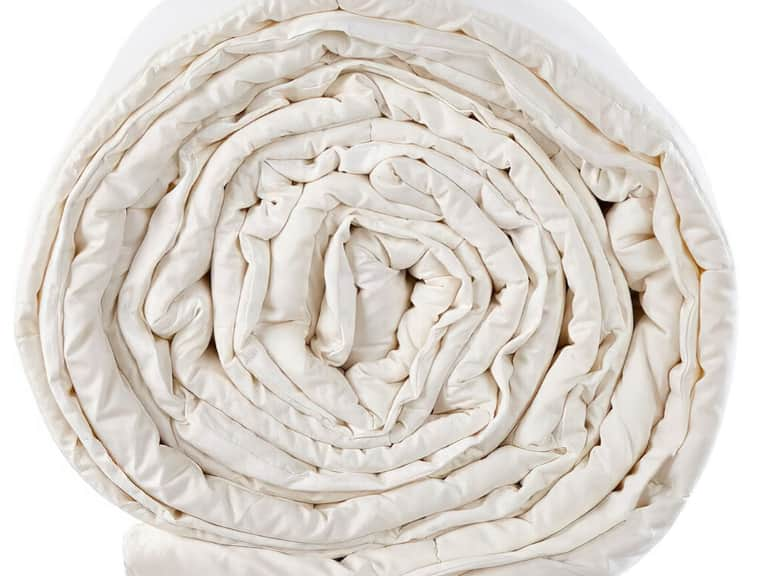
Wool comforters are valued for their natural warmth, breathability, and temperature regulation, making them a versatile choice for year-round use. This category highlights the fundamental properties of wool: moisture wicking, resilience, and insulating fibers that maintain comfort while minimizing overheating. Understanding these features helps users select bedding that contributes to a restful, consistent sleep environment.
Key characteristics to consider include wool fiber loft, fill power, and fabric weave. High-quality wool provides cradle-like softness and long-lasting even insulation, while a breathable outer fabric helps manage humidity. When evaluating comforters, consider whether the wool is ethically sourced and processed with minimal chemical additives to align with organic and sustainable bedding goals.
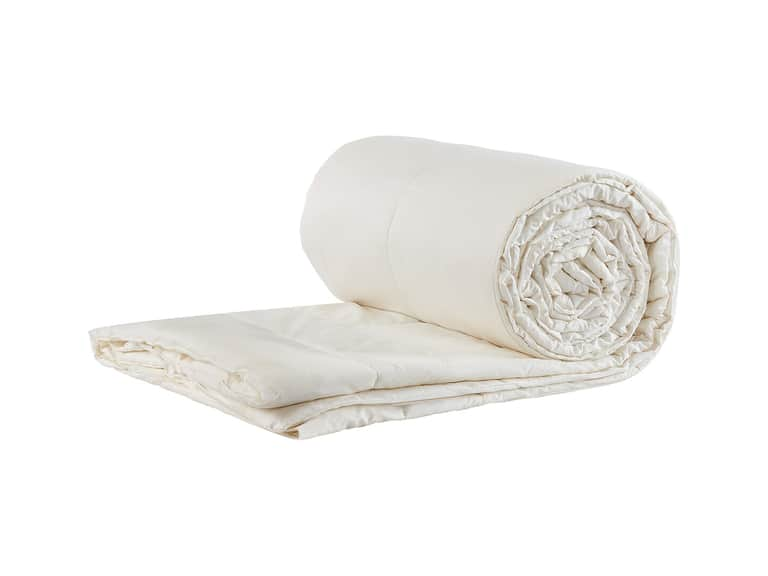
The Sleep and Beyond myComforter line offers practical examples of wool comforters in this category. The standard myComforter emphasizes room-temperature adaptability and durable warmth, suitable for homes with varying climates. The design prioritizes even distribution of loft, reducing cold spots and ensuring a consistent feel throughout the night.
In addition, the Sleep and Beyond myComforter Light demonstrates how wool can deliver warmth without excessive weight, supporting a cooler sleep experience while preserving insulation. This variant showcases a lighter fill and refined construction that remains plush and comfortable, ideal for sleepers who prefer a less dense comforter without sacrificing thermal performance.
For broader bedding context, wool comforters integrate well with complementary textiles such as organic mattresses, breathable sheets, and natural duvet covers. Their performance can be enhanced by pairing with high-quality bedding materials—efforts echoed in the broader topics of bedding, pillows, sheets, duvet covers, and organic mattresses—contributing to a healthy, restful sleep environment.
 Bedding