Wool as a natural fiber offers exceptional breathability, moisture management, and temperature regulation, making it a versatile choice for bedding. Its fluffy structure traps air, providing insulation without overheating, while naturally wicking away humidity to maintain a comfortable sleep environment. This category highlights the key properties that influence comfort and sleep quality.
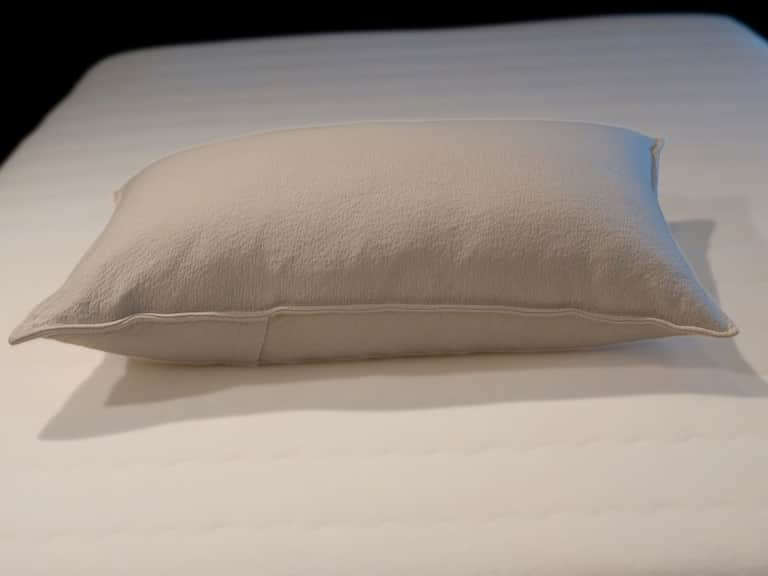
Among the essential wool products, pillows such as the Healthy Choice Organic Wool Pillow illustrate how wool blends support and supportiveness can vary. Characteristics often include medium to firm fill, responsiveness to head and neck alignment, and resilience that maintains shape over time. These features contribute to lasting support for various sleeping positions.
In addition to pillows, wool-based bedding like comforters and down alternatives showcase wool’s hypoallergenic and moisture-wicking advantages. Wool fibers resist dust mites and promote airflow, helping to reduce warmth buildup in warmer seasons while offering insulating warmth during cooler nights. This makes wool a practical option for varied climates.
Care considerations for wool bedding emphasize gentler maintenance to preserve fiber integrity. Gentle washing, correct drying methods, and avoiding high heat help retain loft and softness. Understanding fiber properties—cohesive crimp, lanolin content, and fiber length—can guide appropriate care routines and prolong product functionality.
Key uses of wool bedding include improving sleep hygiene through breathability, temperature balance, and natural odor resistance. The integration of organic and responsibly sourced wool aligns with health-conscious and sustainable bedding goals, while providing durable comfort for daily rest with resilient structure and long-term performance.
 Bedding