Bed covers serve as a primary layer of protection and style for sleeping environments, combining comfort with practical features. This category emphasizes materials, weave, and warmth levels that influence sleep quality, allergen management, and existing decor. Understanding fabric types helps users select breathable options like cotton and linen for year-round comfort.
Key characteristics of bed covers include thread count, fabric weight, and finish treatments that affect durability and feel. Natural fibers tend to offer better airflow and reduced skin irritants, while blends can provide enhanced wrinkle resistance. Functional details such as anti-pill finishes and moisture-wicking properties support long-term usability in varied climates.
The category highlights common uses for bed covers, including seasonal layering, protection for bedding sets, and easy maintenance routines. Considerations include washability, colorfastness, and crease resistance, which influence how often a cover can be refreshed without compromising appearance or hygiene within the sleeping area.
Within this informational collection, examples like Free New Bedcover showcase features such as breathable fabric, duvet-style design, and simple attachment methods that reduce shifting during sleep. Functional benefits include temperature regulation, ease of care, and compatibility with standard bedding accessories like sheets and pillows, aligned with overall bedroom comfort goals.
Meta keywords such as bedding, pillows, sheets, duvet covers, and organic mattresses are woven into guidance on selecting bed covers that complement a complete sleep environment. The discussion emphasizes material choices, care routines, and practical benefits, enabling informed decisions about how bed covers integrate with existing bedding systems in a healthy, restful space.
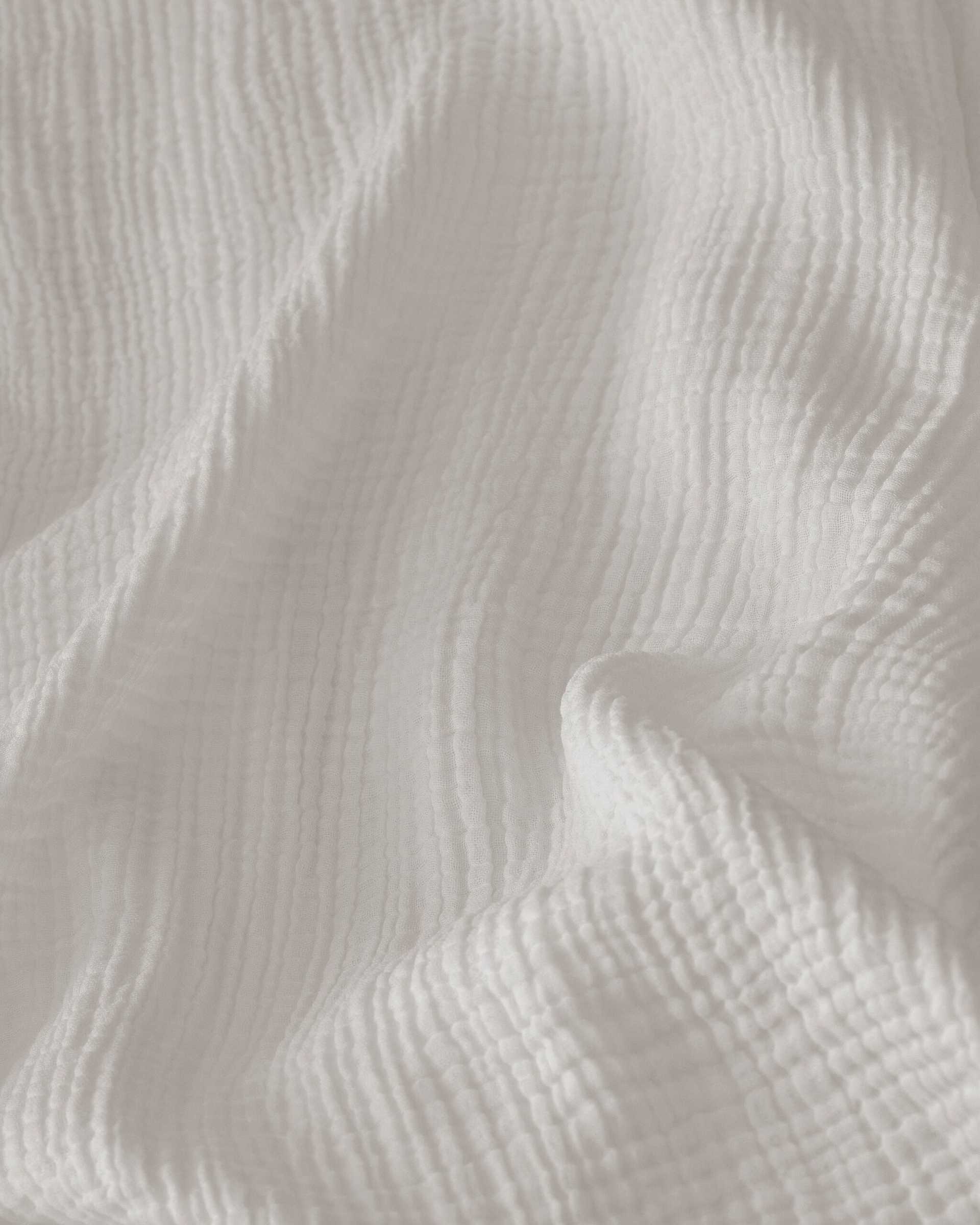 Bedding